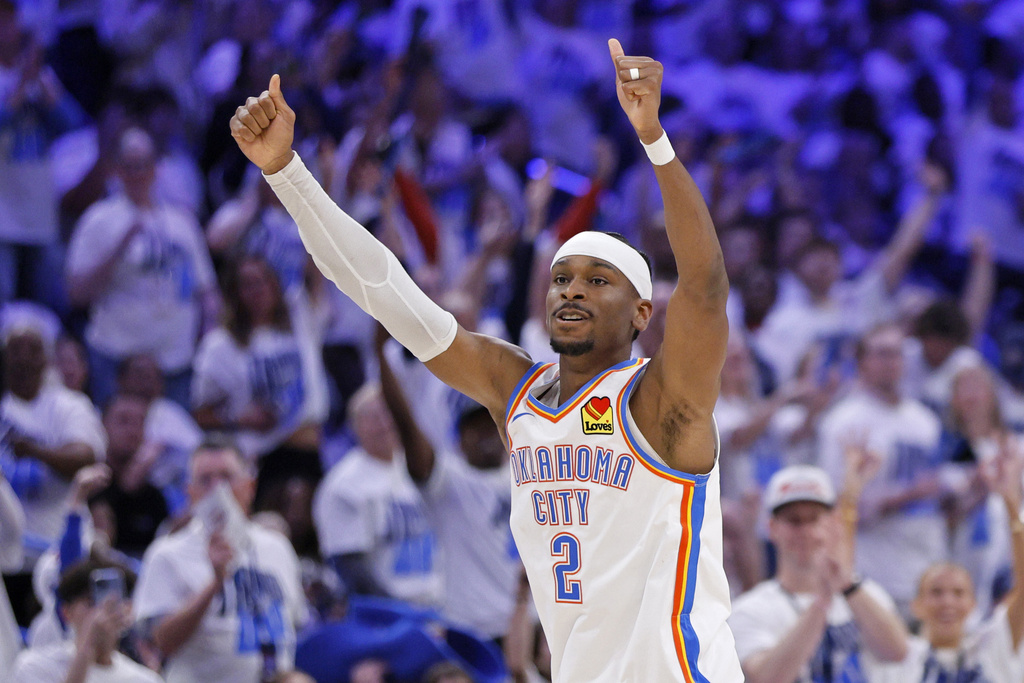
With the hype around last year’s 2025-26 NBA rookie class led by Cooper Flagg, many basketball fans are looking to get into collecting basketball cards.
Players like Flagg, 3-point specialist Kon Knueppel, and Dylan Harper drew plenty of attention for their play on the court — and for the sales of their basketball cards off it. Now another special rookie class takes the floor this season, led by AJ Dybantsa, Darryn Peterson, and Cameron Boozer.
You followed their stats all season, so you probably have an idea of who you want to collect. Maybe it’s the most recent rookie classes or stars from years past, like LeBron James and Michael Jordan.
This guide covers how to start your basketball card collection: the card types to know, how grading works, and where to buy basketball cards, from hobby boxes and breaks to packs you can open online.
Your first basketball card might be closer than you think. These days, you can rip a pack from anywhere — including in the PrizePicks app.
Start your card collection on PrizePicks — packs starting at $1!
How to Start Your Basketball Card Collection
Start by collecting what you like: your favorite players or teams, even if it’s just their base cards. Most beginners start with rookie cards, then learn the card types — base, inserts, autos, and relics (more below) — before deciding whether to buy packs, boxes, or singles.
Starting a collection with the players or teams you love, or have been picking, makes collecting easier and more fun. You already know basketball because you’ve followed along all season. Now you can add those same players’ cards to your collection.
But which cards? That’s the next question that probably comes to mind.
Basketball rookie cards are one of the most popular ways to start. A rookie card is released during a player’s first NBA season, which is why it’s usually the most in-demand card a player has.
Collectors generally prefer a player’s rookie card over his later cards because it marks the start of his career. A player has only one rookie season, so those cards are always his first, and no later release can replace them.
That’s also why collectors talk most about rookie cards as a player’s career takes off. It’s the same reason Cooper Flagg’s rookie cards drew so much attention last season — including one card that sold for $8.04 million, now only available in PrizePicks Packs.
So how do you actually start? Keep it simple:
- Pick your players. Choose a favorite player, team, or rookie class to build around.
- Set a budget. Decide what you’re comfortable spending before you buy anything.
- Choose how to buy. Packs, boxes, breaks, and singles each work differently (more below).
Once you’ve picked your players and set a budget, all that’s left is opening your first pack. You can do that without leaving your couch.
Rip Packs and find your Grail on PrizePicks Packs — Get $25 in Bonus Packs now!
Where to Buy Basketball Cards: Hobby Boxes, Breaks and Digital Packs
The good news is buying basketball cards has never been easier. Here’s a quick look at your options:
Sealed Boxes vs. Singles
First, decide whether you want sealed boxes or individual cards, known as singles, on the secondary marketplace.
Sealed boxes come in different formats, including Jumbo, Hobby, Mega, and Blasters.
- Hobby: sold mainly at hobby shops and online, usually with the best odds at hits
- Jumbo: larger hobby boxes with more packs and more hits
- Mega: retail boxes that often include exclusive parallels
- Blaster: the most affordable retail option, with fewer hits
Generally, higher-priced boxes have a better chance of hitting big cards such as an autograph or patch card, which collectors call “hits.”
Sealed boxes can contain valuable cards — like the Cooper Flagg Rookie Debut Patch Auto card that sold for over $8 million — but those are chase cards and are statistically difficult to pull. But most collectors probably couldn’t afford one once it hits the secondary market at those prices.
Unlike opening packs, buying single cards lets you get exactly the card you want. If you want a specific team or player, you'll have plenty of cards to choose from to add to your collection.
Hobby Shops and Big-Box Stores
You can also buy cards from local hobby shops. They will typically have several different types of boxes and packs ready for you to rip. Like finding your favorite record store, look for shops that match your tastes.
You can also find basketball card packs and boxes at places like Target and Walmart, along with other big-box stores. Those stores typically have a smaller selection than hobby shops, and generally don’t carry Jumbo or Hobby boxes, which often guarantee a certain number of hits.
Card Breaks
Another popular way to collect cards is through breaks, which are growing in popularity. A break lets collectors buy a spot in a box or case for a fraction of the cost of buying one outright.
In a break, you might buy a spot for a team or a specific player, or you could be assigned a random spot. Breakers offer a variety of formats, but you can find live breaks on places like WhatNot, TikTok, and eBay Live.
Digital Packs: Buy Basketball Card Packs Online
Digital packs are another way to collect basketball cards. You can buy a digital pack, see which cards you get, and then choose to keep or sell back the cards.
While the experience is digital, the cards are real.
The beauty of digital packs is that you can open them from anywhere at any time. You don’t have to worry about a store being open or having the packs or boxes that you want to open.
That’s exactly how PrizePicks Packs works. Pick a pack and rip it on your phone to reveal a card. Then decide whether to sell it back for 100% FMV instantly or have it shipped.
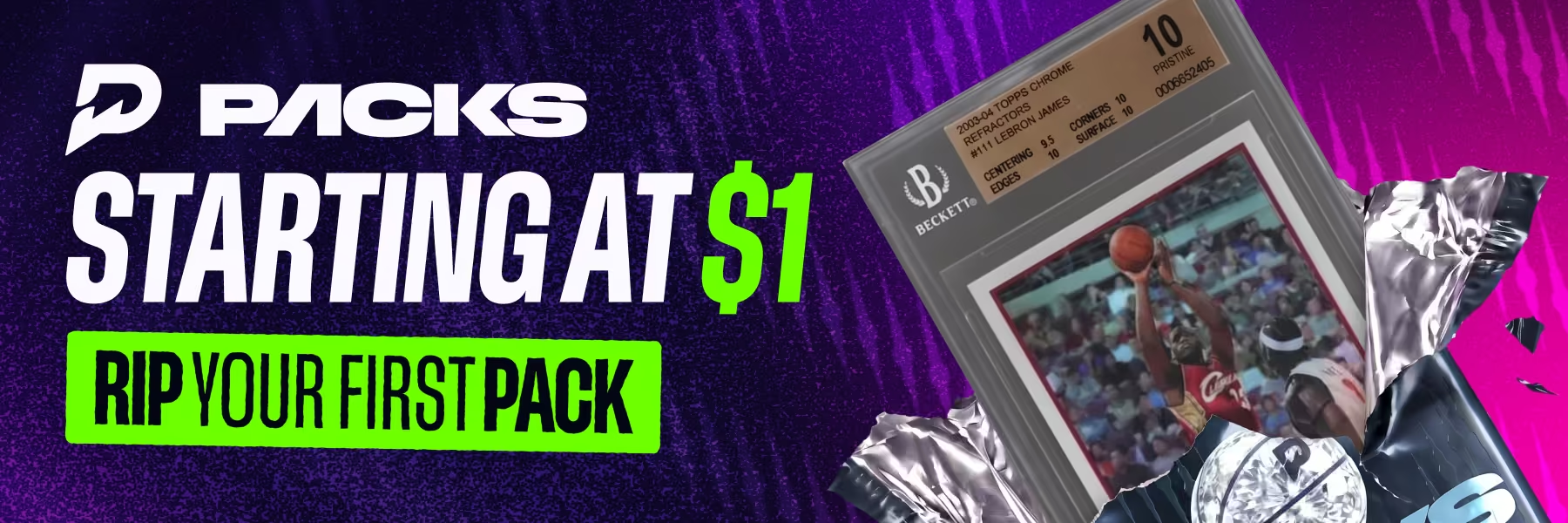
Rip real basketball cards anywhere, anytime — starting at $1 on PrizePicks Packs
Basketball Card Basic Terminology: Rookies, Parallels, Autos and Numbered Cards
Basketball cards come in several types: base cards, inserts, parallels, autographs and relics. Here’s what each one means
Base Cards
When you pull a card from a pack, it’s usually a base card. These are the most common cards in any product. They usually aren’t worth much on the secondary market, but collectors still love adding them to their collections, especially base rookie cards of their favorite players.
Rookie Cards
These are usually the most popular cards for a player. They're released during a player’s first NBA season. For example, Cooper Flagg or Dylan Harper’s rookie cards were in 2025-26 Topps products.
Keep in mind, Topps currently holds the exclusive NBA trading card license and is the only company that can make fully licensed NBA trading cards, a status it earned this past season.
Pull your first Rookie Card on PrizePicks Packs! Get $25 in Bonus Packs now!
Inserts
Inserts come in packs alongside base cards but have their own designs, usually built around a theme, and are numbered differently on the back. You’ll know an insert when you see one because it stands out in the pack.
Parallels
A parallel is usually a color variant of a card. If a base card has a white border, a parallel might have a Gold or Black border while featuring the same front image and the same card back.
Parallels are often numbered (see below) and are more or less rare based on their color or design, which usually dictates their market value.
Numbered Cards and 1-of-1s
Sometimes those parallels can be numbered. For example, a Black parallel may be numbered 14/50. That means only 50 copies of that parallel exist, and this card was the 14th printed. A jersey number match, or the first or last card in the run, can be worth a little more for numbered cards.
On occasion, you can pull a 1-of-1, which means there’s only one copy of that card in existence. It’s literally one of a kind.
Relic, Jersey and Patch Cards
Relic cards have a piece of memorabilia embedded in the card. In basketball, that’s most often a jersey swatch, so collectors usually call them jersey cards. You’ll also find relics with pieces of warm-up shirts, shoes, game balls, or even the court’s hardwood.
Patch cards feature a larger or multicolor piece, like part of a jersey’s logo, number or nameplate. Because a jersey only has so many of those pieces, patch cards are typically rarer and more sought after than plain jersey swatches.
Autograph Cards
Autographs, often shortened to just “auto(s)” are generally the most popular cards in a box or pack. Players either sign the card directly, known as an on-card auto, or sign stickers that are then applied to the card.
And you might even pull a rookie patch autograph (RPA) that’s a 1-of-1. Yes, that card has a little bit of everything.
Cooper Flagg’s $8 million Debut Patch Auto card was one of them, along with more of the PrizePicks Packs Grails, like the Kon Knueppel and Dylan Harper Debut Patch Auto 1/1s, each valued at over $2 million.
Get a shot at Million-Dollar Grails in packs starting at $1 — only on PrizePicks Packs!
Raw vs. Graded Cards: What Slabs and PSA 10 Mean
When you’re learning how to start collecting basketball cards, you’ll come across cards sealed in hard plastic cases by third-party grading companies. Collectors call these “slabs,” while a raw card hasn’t been graded.
How Card Grading Works
Grading companies evaluate cards for two things:
First, they check that the card is authentic and hasn’t been altered in any way.
Second, they evaluate the condition of the card. They score the card’s centering, corners, edges, and surface, then assign a grade from 1 to 10, with 10 being the highest.
The grade is printed on the slab’s label, along with a unique certification number.
The Top Basketball Card Grading Companies
Some of the biggest companies in basketball card grading include PSA, CGC, BGS, and SGC.
Each one has its own top grade:
- PSA: Gem Mint 10, the most coveted and widely traded grade in the hobby
- BGS: Black Label 10, which requires a perfect 10 on all four subgrades
- CGC: Pristine 10, a step above its Gem Mint 10
- SGC: Pristine 10, recognizable by its gold label
One of the most coveted grades is a PSA 10. Those cards generally command higher prices on the secondary market. Other highly sought-after grades include a CGC Pristine 10 and a BGS Black Label, which represent the top grade at the respective grading companies.
A PSA 10 can sell for considerably more than the same card raw, or even as a PSA 9.
Should You Grade Your Basketball Cards?
Not everyone grades cards, and you don’t need to grade yours either. Grading at PSA currently starts at about $60 per card, so many cards aren’t worth the cost.
Some of the top reasons to collect a graded card vs. a raw card include added protection, professional assessment of its condition, and the potential for higher resale value. Many keep most of their cards raw and slab only the ones that matter most to them.
Rip packs for a shot at graded cards on PrizePicks Packs now!
How PrizePicks Packs Work: Digital Packs
PrizePicks Packs makes it easy to rip digital packs and start collecting basketball cards, right from your phone or computer.
- Pick your pack. Browse the lineup and find the pack you want to open. You can see the odds for each pack before you rip.
- Rip and reveal. Open your digital pack to see the card you pulled.
- Sell or ship. Decide what to do with your card: sell it back for 100% fair market value, or have the real card shipped to you.
See how PrizePicks Packs work here.

Always Collect Responsibly
No matter how you choose to collect, it’s important to set a budget. Decide how much you want to spend before buying cards or opening packs, whether they’re digital or physical.
A budget helps you keep track of your collection, stick to the players and cards you care about most, and make sure you’re not overspending. Collecting should always stay fun.
Collecting Basketball Cards FAQs
What’s the best basketball card to start with?
Start with a card of one of your favorite players or someone on your favorite team. You don’t want to own a Lakers card if you’ve been rooting against them all season. A card you connect with makes it easier to fall in love with collecting.
How much does it cost to start collecting basketball cards?
As much or as little as you want. Base cards and singles can cost a few dollars if you’re buying singles. Retail boxes like Blasters are a low-cost way to rip, and breaks let you get into high-end boxes for a fraction of the price. Digital rips on PrizePicks Packs start at $1 but go much higher.
Set a budget first, then pick the option that fits it.
How do digital pack openings work?
Digital pack openings let you buy and rip packs online.
Go to PrizePicks Packs in the app, choose the pack you want, and rip it to see the card you pulled. From there, you can sell it back or ship it. You can rip from your phone or computer, anytime, anywhere.
Learn more about digital packs here. Or get started on PrizePicks Packs with $25 in Bonus Packs after buying your first pack — just use promo code PLAYBOOK at sign-up.
Is digital pack opening legit?
Yes! While the experience is digital, the cards are real. After you open a pack on PrizePicks, you can sell the card or keep it. You can even have it shipped to you, so that you can own the physical card in your collection.
What makes a basketball card valuable?
A few factors drive demand: the player, whether it’s a rookie card, how rare it is (numbered parallels and 1-of-1s), whether it has an autograph or patch, and its condition. A graded card, especially a PSA 10, typically sells for more than the same card raw.
How do I protect my basketball cards?
Put cards in a penny sleeve as soon as you pull them, then place them in a toploader or semi-rigid holder. Store them upright in a cool, dry place away from sunlight. Store your highest-value cards in a slab for extra protection, or ship them to a grader to get slabbed professionally.
Team Picks and Culture Picks are event contracts offered by Performance Predictions II, LLC d/b/a PrizePicks Predict, a CFTC-registered FCM and NFA Member. All event contract customers must be U.S. residents and 18+. Some event contracts may not be available in every state.Event contract trading carries significant risk and is not appropriate for everyone. No guarantee against loss is offered. Past results are not necessarily indicative of future results.Void where prohibited by law. Restrictions apply. For full terms of service see prizepicks.com/predict-regulatory. Team and Culture Pick Early Payouts subject to market liquidity. The content provided is for informational and educational purposes only and does not constitute investment advice, or a recommendation to trade any commodity interest.